


LOGO
The goal was an abstract, organic design that makes a bold statement while capturing a coastal vibe.
COLOR PALETTE
I aimed to use a range of natural, vibrant colors that reflect a tropical, organic energy, with touches of warmth to make the brand feel inviting and familiar.
TYPOGRAPHY
I wanted it to feel very island-centric and bold, with a sense of imperfection but still a rhythm in how the two fonts work together.
MOOD BOARD
Vibrant, Cultural, and Organic
BUSINESS CARDS AND PACKAGING
I added lots of organic lines and patterns to give the brand a bit more of a fun, and airy feel. I aimed to make the thank you card look like a folded travel postcard. This connects to its intentionally unpolished feel and subtly suggests on a subconscious level that even someone not born in Brazil would still feel drawn to visit.


BRAND PATTERN
Concrete Art in Brazil São Paulo used thin, precise lines and geometric forms to express a rational, modern, industrial society, while Neo-Concrete art in 1950s–60s Rio de Janeiro rejected this strict approach by using thick, expressive lines and organic shapes to create more emotional, sensory experiences.
I played with a bit on inconsistency in the thickness of the lines to give the brand pattern a bit more visual interest

STAR SYMBOL
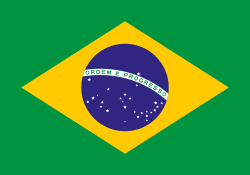
“The single star located above the white band on the Brazilian flag is famous because it represents the state of Pará (or historically, the northernmost territory at the time of the republic's proclamation). Positioned separately from the other 26 stars, it symbolizes the Federal Unit's unique position at the time of the republic.”
MARAJOARA POTTERY
BORDERS
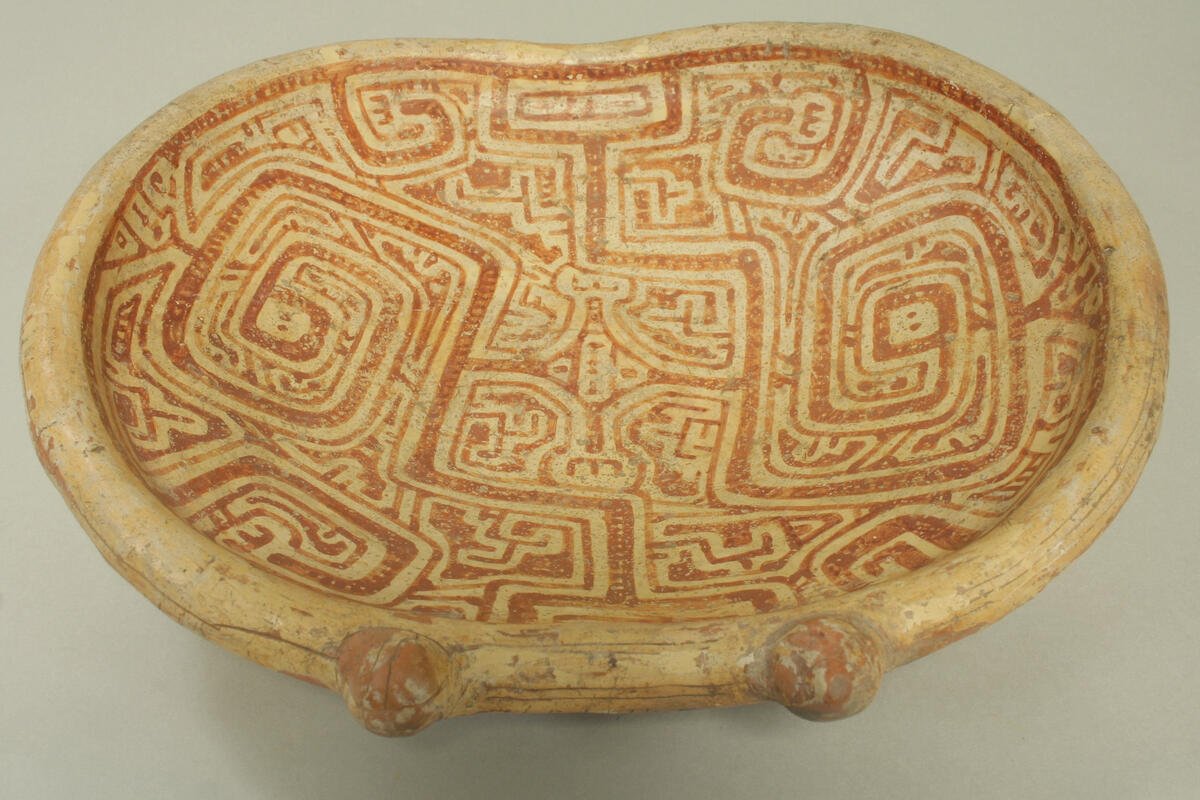
Marajoara pottery is an ancient, highly sophisticated ceramic tradition from the Marajó Island in the Brazilian Amazon, created by the indigenous Marajoara culture between 400 and 1400 AD.
FLIP FLOPS GRAPHIC
Brazilians wear flip-flops, particularly Havaianas, because they are a practical, affordable, and comfortable, serving as an everyday uniform for the hot climate. Originally worn by the working class in 1962, these durable rubber sandals became a national symbol transcending social classes, commonly worn to the beach, in cities, and on casual occasions.
